
Back Pain Therapy in Oxford
Our service includes a full clinical review including assessment of disability and the individual’s response to pain. We will ask you to complete a detailed history, disability and pain questionnaire which takes approximately 30 minutes. This is essential to give us a full picture of the medical problems before we discuss the case with the patient. We follow up patients with pain diaries which can be in paper format or electronically for at least two weeks after the procedure. We then provide a follow-up report which gives advice on future management. We deal with any problems or complications that may ensue. All this is part of the package incorporated in the procedure. However, if a patient decides not to proceed to an injection, then we will simply charge for the initial consultation.
Our spine interventional radiologists have considerable experience in the investigation and management of spine disorders. We have a full range of image investigations to determine the nature of the problem.
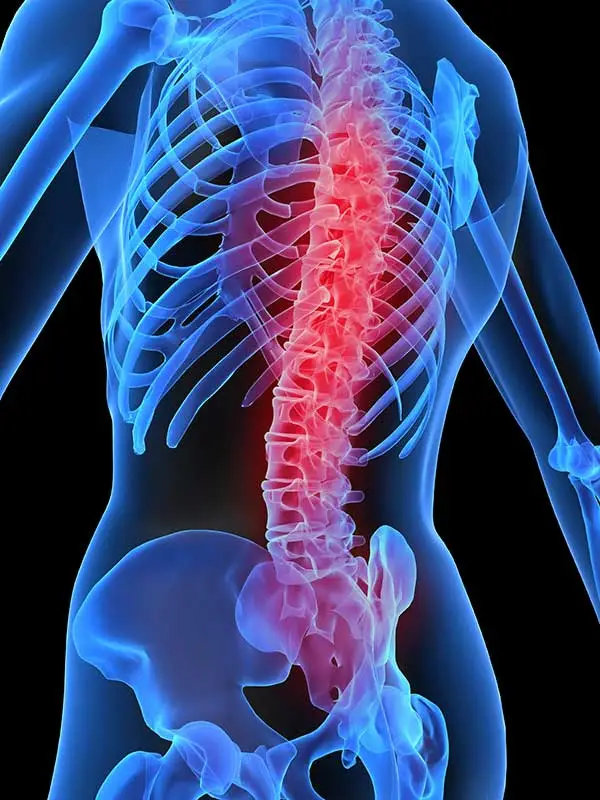
Back pain and leg or arm pain due to nerve entrapment is a common condition. Fortunately, most settle fully within a few weeks but in those patients who do not respond to treatment and investigation, then treatment by injection techniques may be appropriate. We will arrange consultation appointments to discuss the individual’s medical history and symptoms. We will then be able to advise on a management plan working in collaboration with Physiotherapists, Chiropractors, Osteopaths and Spine Surgeons.
We undertake many of our procedures at St Luke’s Radiology in Headington using modern imaging techniques to guide the needle placement. We combine ultrasound real-time images with previously undertaken MRI examinations to offer fusion imaging guided injections. We can also attach radio transmitters to the needles that we use, and a tracking system predicts the path and target with considerable precision. This technique has the advantage of not using any radiation.
We also have the facility to perform x-ray (fluoroscopic) guided injections which are particularly helpful in the cervical spine. We may need to use CT (computed tomography) guidance in more complex cases.
Many patients with back pain referred to the leg are suffering from a compressed nerve root. We can provide MRI examinations to determine the exact cause and location. In suitable cases we can offer epidural anaesthetic injections or image guided nerve root blocks to alleviate symptoms.
Back pain and disability can also be caused by painful facet joints. We can offer pain relief for these symptoms. Facet joint injections and can be performed under fluoroscopic guidance (live images using a small amount of radiation) or by fusion imaging where we combine MR or CT images with real-time ultrasound imaging and needles containing radio transmitters to allow accurate and safe needle placement without additional radiation.
Vertebral compression fractures are a common cause of pain and disability.
Percutaneous Vertebroplasty and Kyphoplasty techniques may be used to provide pain relief for people with severe painful osteoporosis with loss of height and/or compression fractures of the vertebral body and also for people with symptomatic vertebral haemangioma and painful vertebral body tumours (metastases or myeloma).
Percutaneous cement augmentation involves the injection of bone cement into the vertebral body to relieve pain and to stabilise the fractured vertebra.
Having introduced these procedures to the United Kingdom, Dr David Wilson is one of the most experienced practitioners in the country and holds regular consultation clinics to meet with patients and discuss potential treatments.